Key facts
- The 133rd Argentine Open is played at Palermo in late 2026; tickets went on sale on 30 September 2026.
- The Hurlingham Club, founded in 1888, was the first place in Argentina where polo was played.
- UNESCO added tango to its intangible heritage list in 2009, jointly for Argentina and Uruguay.
- The Teatro Colón opened on 25 May 1908 and seats 2,487.
- Argentina won the 2022 World Cup and reached the 2026 final, losing 1–0 to Spain after extra time.
Families who move to Buenos Aires often say the same thing after a year: business opens doors, but the social life is what makes them stay. The city has an old club culture, a serious arts calendar and a sporting passion that touches every class. None of it is closed to foreigners. Much of it, however, works through introductions and repetition rather than tickets and memberships.
This guide sets out the main fixtures of the year and the practical routes in. It is written for families who are thinking about spending part of the year in Argentina, whether or not they also plan to apply for Argentina citizenship by investment.
The polo season: spring belongs to the horses
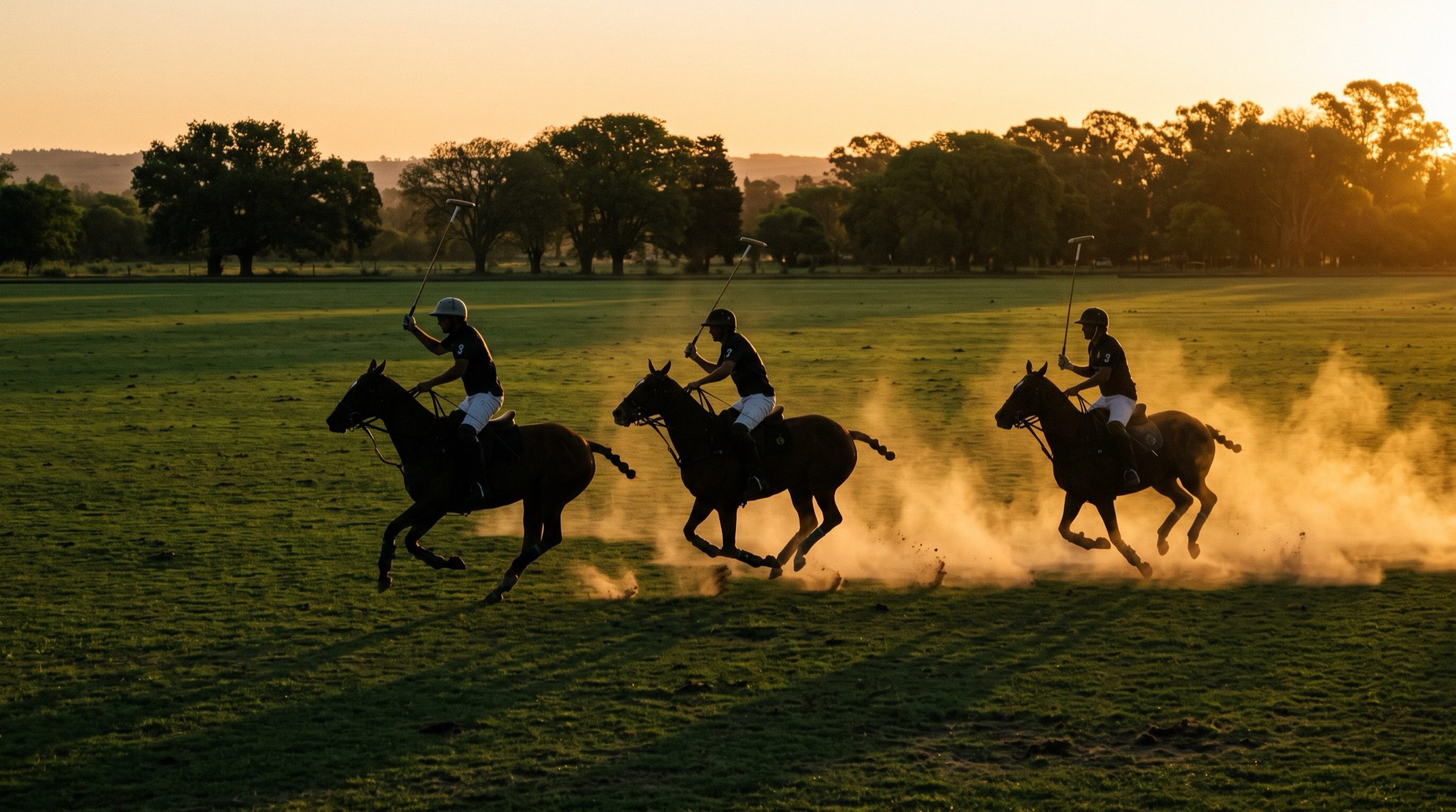
Argentina is the centre of the high-goal polo world. The three great tournaments of the southern spring are the Tortugas Open, the Hurlingham Open and the Argentine Open at Palermo. Together they form the Triple Crown. All three are played within reach of Buenos Aires, between September and December.
Palermo: the Argentine Open
The Campo Argentino de Polo in Palermo, in the middle of the city, hosts the Argentine Open. The 2026 edition is the 133rd, according to the Asociación Argentina de Polo (AAP), which opened ticket sales on 30 September 2026. The final is traditionally played in December and is the social event of the late spring.
Practical notes for a first visit:
- Buy tickets early for the final. The best stands sell out, and hospitality boxes are often taken by sponsors and long-standing families.
- Earlier rounds in November are calmer, cheaper and better for watching the polo itself.
- Dress is smart-casual by day. Many spectators treat the final as a garden party.
- The AAP publishes the fixture. Dates can move with weather, so confirm on the week.
Hurlingham and Tortugas
The Hurlingham Club, in the western suburb that took its name, was founded on 22 November 1888. It was the first place in Argentina where polo was played, and the AAP itself was established there in 1922. Today the club has five polo fields, an 18-hole golf course, cricket and tennis on about 73 hectares. In 2026 the Hurlingham Open was already under way in early October, with the subsidiary Copa Drysdale final played on 1 October.
The Tortugas Open is played at the Tortugas Country Club, in the Pilar area north-west of the city. The AAP’s qualifying tournament, held in Pilar, decided the last places for Tortugas and Palermo on 2 October 2026. For most newcomers the Tortugas and Hurlingham opens are the friendlier entry point: smaller crowds, easier parking and a club atmosphere.
Playing, not only watching
Polo in Argentina is more accessible than in Europe or the United States. Many estancias and polo clubs in Buenos Aires province offer lessons, hired horses and seasonal stays. Several families start with a week of lessons in the autumn (March to May), when the high-goal season is over and the best professionals have more time.
Tango: from spectator to dancer
Tango was born in the working-class districts on both banks of the Río de la Plata. UNESCO inscribed it on its Representative List of the Intangible Cultural Heritage of Humanity in 2009, jointly for Argentina and Uruguay.
For a newcomer, there are three ways in:
- Listen. Live orchestras play in cultural centres, bars and concert halls across the city. This is the easiest place to start.
- Watch. A milonga is a social dance evening, not a show. Visitors can sit, watch and learn the etiquette before they try.
- Learn. Group classes usually come before the milonga in the same venue. Private teachers are common and good value.
The city government runs the Tango Buenos Aires Festival and World Championship every August, and has done so since 2003. It mixes free concerts, classes and the final of the world dance championship. It is the best single week to understand why tango still matters to Buenos Aires.
Asado and the long dinner
The asado is the centre of Argentine weekend life. It is a slow grill of beef, offal and sausages over wood or charcoal, run by an asador who takes the role seriously. An invitation to a Sunday asado at a family’s country house is a real sign of acceptance. Arrive late (never early), bring wine or dessert, and expect to stay all afternoon.
Dinner in Buenos Aires starts late. Restaurants fill from about 9.30 pm, and a 10 pm booking is normal. The city has a strong restaurant scene, from traditional parrillas to tasting menus. Children are welcome in most family restaurants, even late.
The Teatro Colón and the arts calendar
The Teatro Colón opened on 25 May 1908 with Verdi’s Aida. It seats 2,487, with standing room for about 1,000 more. The acoustician Leo Beranek rated its main hall among the best in the world for opera. A subscription for the opera, ballet or symphonic season is one of the most reliable ways to meet the city’s cultural set.
Other fixtures for the diary:
| Month | Event | Where |
|---|---|---|
| March | Fiesta Nacional de la Vendimia (wine harvest festival) | Mendoza |
| July | La Rural, the national agricultural and livestock show | Palermo, Buenos Aires |
| August | Tango Festival and World Championship | Buenos Aires |
| September–December | Polo Triple Crown | Tortugas, Hurlingham, Palermo |
| December | Gran Premio Carlos Pellegrini (horse racing) | Hipódromo de San Isidro |
The Sociedad Rural Argentina, founded in 1875, holds La Rural every July at its fairground on Avenida Santa Fe. It is part livestock show, part society event. The Jockey Club’s racecourse in San Isidro, opened in 1935, hosts the Gran Premio Carlos Pellegrini each December, the country’s most important race.
For a family based in Mendoza, the harvest festival in early March is the equivalent social peak. See our guide to Mendoza wine country living.
Football: the national religion
Argentina has won three World Cups, in 1978, 1986 and 2022, and a record 16 Copa América titles, most recently in 2024. In July 2026 the team reached the World Cup final again, and lost 1–0 to Spain after extra time at MetLife Stadium on 19 July.
Club football is the weekly passion. The two great Buenos Aires rivals are:
- River Plate, whose Estadio Monumental in Núñez holds 85,018 people and is the largest stadium in South America.
- Boca Juniors, whose stadium in La Boca, known as La Bombonera, holds about 58,000.
A superclásico between the two is an extraordinary event. Most foreign families attend through a hospitality package or with a local friend who is a club member. Visitors should not go alone in rival colours.
How newcomer families build a social life
Social life in Argentina is warm, but it follows a pattern. In our experience, the families who settle fastest do four things:
- Choose the school with care. The school community is the first social network for most families. See international schools in Buenos Aires.
- Join one club and use it. Golf, polo, tennis, rugby and rowing clubs are where friendships form. Many clubs need a member to sponsor an application, so introductions matter.
- Learn Spanish. Business can run in English. Dinner parties, school committees and club life mostly do not.
- Accept the rhythm. January is holiday month, when much of Buenos Aires moves to the coast or to Uruguay. Social life restarts in March with the school year.
Where you live shapes all of this. Families near the northern-suburb clubs tend to build their week around them; families in the city lean on restaurants, theatres and galleries. Our guide to Buenos Aires neighbourhoods for expats compares the options.
Culture and citizenship
A cultural connection to Argentina is not a legal requirement for residence or citizenship. Still, many families who explore the new investment route say the lifestyle is a large part of the decision. The programme’s legal basis is under review: in June 2026 the Cámara Nacional Electoral ruled against DNU 366/2025, and the government has appealed to the Supreme Court. Read our legal status update before you plan, and see how the programme treats families. For a confidential discussion, request a private briefing.
Sources
- Asociación Argentina de Polo – news and fixtures (133rd Argentine Open tickets; Hurlingham Open and qualifiers, 1–2 October 2026): https://www.aapolo.com/noticias
- UNESCO – Tango, Representative List of the Intangible Cultural Heritage (2009): https://ich.unesco.org/en/RL/tango-00258
- Hurlingham Club (Argentina): https://en.wikipedia.org/wiki/Hurlingham_Club_(Argentina)
- Polo in Argentina (Triple Crown): https://en.wikipedia.org/wiki/Polo_in_Argentina
- Argentine Open Polo Championship: https://en.wikipedia.org/wiki/Argentine_Open_Polo_Championship
- Teatro Colón: https://en.wikipedia.org/wiki/Teatro_Colón
- World Tango Dance Championship (held each August since 2003): https://es.wikipedia.org/wiki/Campeonato_Mundial_de_Baile_de_Tango
- La Rural and the Sociedad Rural Argentina: https://en.wikipedia.org/wiki/La_Rural
- Hipódromo de San Isidro: https://en.wikipedia.org/wiki/Hipódromo_de_San_Isidro
- Fiesta Nacional de la Vendimia: https://en.wikipedia.org/wiki/Fiesta_Nacional_de_la_Vendimia
- 2026 FIFA World Cup (final result): https://en.wikipedia.org/wiki/2026_FIFA_World_Cup
- Argentina national football team (honours): https://en.wikipedia.org/wiki/Argentina_national_football_team
- Estadio Monumental: https://en.wikipedia.org/wiki/Estadio_Monumental_(Buenos_Aires)
- La Bombonera: https://en.wikipedia.org/wiki/La_Bombonera